
,

Have you ever heard someone talk about Bitcoin and wondered what they actually meant? You are not alone. Millions of people hear the word “crypto” every day but still don’t know what it really is.

In simple terms, crypto is digital money that lives on the internet. It has no physical coins or notes, yet people use it to buy goods, invest, and even build entire businesses. This guide will explain crypto from the ground up, so by the end, you’ll understand exactly what it is and how it works.

Whether you’re a complete beginner, a student, or just someone curious about the crypto market, this article breaks it down in plain language. No confusing jargon. Just clear answers.

What Is Crypto, Exactly?

Crypto, short for cryptocurrency, is a type of digital money. Unlike the cash in your wallet, you can’t touch it. It exists only as data on a computer network.

The word “crypto” comes from cryptography, which is a method of protecting information using complex codes. This is what keeps crypto secure and hard to fake.

Digital Money Without a Bank

Regular money, like dollars or rupees, is controlled by governments and banks. Crypto works differently. It runs on a technology called blockchain, which spreads information across thousands of computers worldwide.

No single company or government owns it. Instead, a network of computers checks and confirms every transaction. Think of it like a shared notebook that thousands of people keep copies of. If someone tries to cheat, everyone else can see it doesn’t match.

A Quick Example

Imagine you send $10 to a friend using a bank app. The bank checks your balance, approves the transfer, and updates its own records. With crypto, there’s no bank in the middle.

Instead, the transaction gets recorded on the blockchain, and computers around the world confirm it’s real. This is why people call crypto “decentralized” money.

How Does Cryptocurrency Actually Work?

To understand cryptocurrency, you need to know about three basic building blocks: blockchain, mining (or validation), and wallets.

Blockchain: The Digital Ledger

A blockchain is like a chain of digital blocks. Each block holds a batch of transactions. Once a block is full, it links to the next one, forming a permanent chain.

This record can’t be changed once it’s added. That’s what makes crypto transactions so hard to fake or reverse.

Mining and Validation

Some cryptocurrencies, like Bitcoin, use a process called mining. Powerful computers solve complex math puzzles to confirm transactions. In return, miners earn new coins as a reward.

Other cryptocurrencies use a method called staking instead. Here, people lock up their coins to help verify transactions, and they earn rewards for doing so. Staking uses far less electricity than mining.

Crypto Wallets

A crypto wallet stores your digital coins. However, it doesn’t hold actual coins like a physical wallet holds cash. Instead, it stores the keys that prove you own your crypto.

There are two main types: hot wallets (connected to the internet, like an app) and cold wallets (offline devices, like a USB drive). Cold wallets are generally considered safer for storing large amounts.

Popular Types of Cryptocurrency

Bitcoin was the first cryptocurrency, created in 2009. Since then, thousands of others have appeared. Here are a few well-known types.

Bitcoin (BTC)

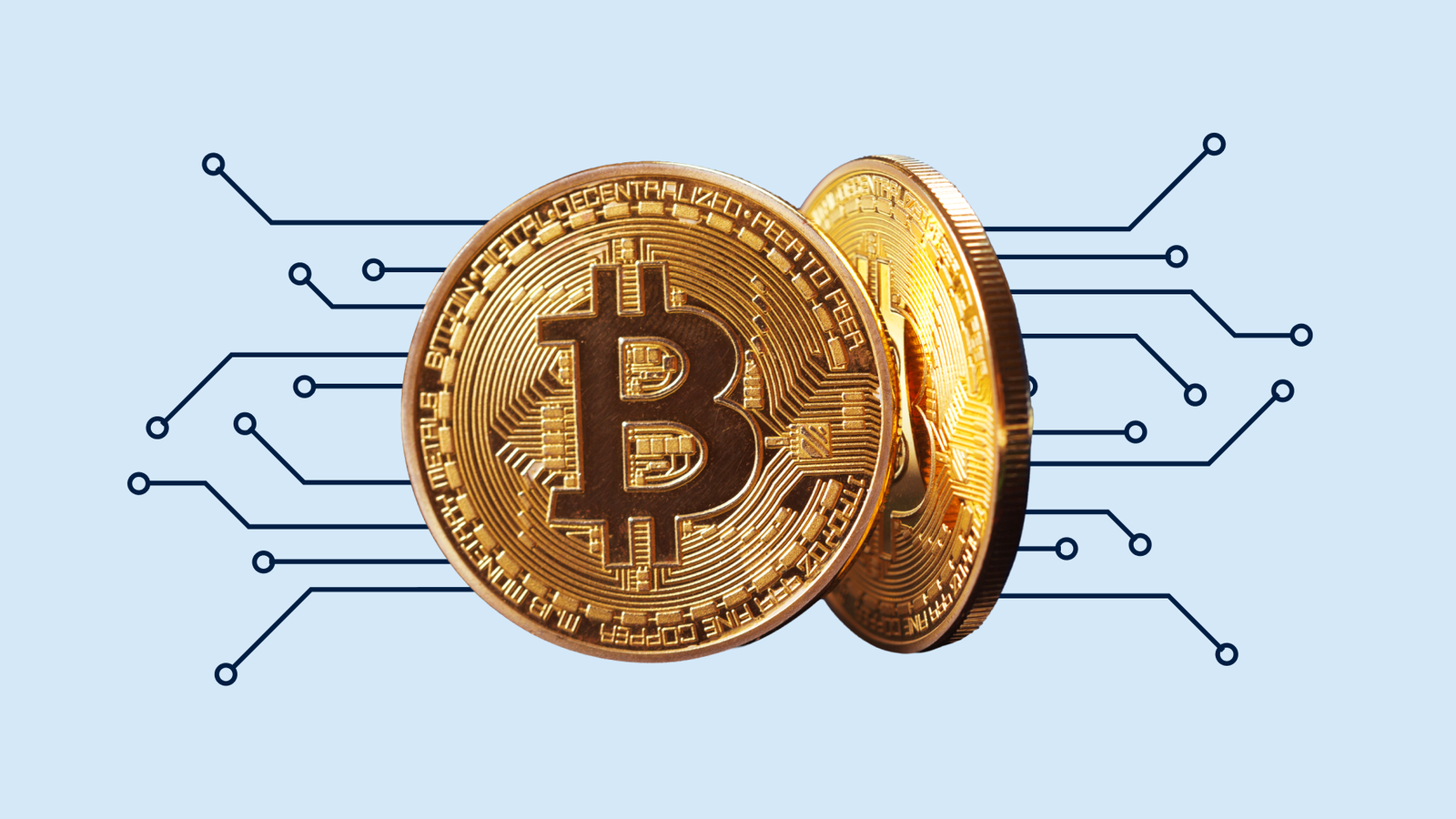
Bitcoin is the original and most well-known cryptocurrency. Many people see it as “digital gold” because of its limited supply and long track record.

Ethereum (ETH)

Ethereum is more than just money. It allows developers to build apps and smart contracts on its blockchain. A smart contract is basically a self-running agreement that executes automatically when conditions are met.

Stablecoins

Stablecoins are a special kind of crypto designed to keep a steady value. They are usually tied to a currency like the US dollar. This makes them less risky compared to other coins, which can swing wildly in price.

Understanding the Crypto Market

The crypto market is where people buy, sell, and trade cryptocurrencies. It runs 24 hours a day, seven days a week, unlike traditional stock markets that close on weekends.

Why Prices Move So Much

Crypto prices can rise or fall sharply within hours. This happens because of limited supply, changing demand, news events, and even social media trends.

For example, a single tweet from a well-known figure has, in the past, caused certain coins to jump or drop in value within minutes. This volatility is part of what makes crypto exciting, but also risky.

Market Cap and Trading Volume

Market cap tells you the total value of a cryptocurrency. You calculate it by multiplying the coin’s price by the total number of coins in circulation.

Trading volume shows how much of a coin was bought and sold in a certain time period, usually 24 hours. High volume often means more people are interested in that coin right now.

How to Buy Crypto Safely

If you’re ready to try crypto investment, here’s a simple path to get started.

Step 1: Choose a Reputable Exchange

An exchange is a platform where you can buy crypto using regular money. Look for exchanges with strong security, clear fees, and good customer reviews. Popular examples include Coinbase, Binance, and Kraken.

Step 2: Verify Your Identity

Most exchanges require proof of identity before you can trade. This is a standard rule to prevent fraud and follow financial regulations.

Step 3: Deposit Funds and Buy Crypto

Once verified, you can deposit money through a bank transfer or card. After that, you simply choose the coin you want and place your order.

Step 4: Store It Safely

After you buy crypto, consider moving it to a personal wallet instead of leaving it on the exchange. This gives you more control and better protection from hacks.

Is Crypto Investment Right for You?

Crypto investment can offer big rewards, but it also carries real risks. Prices can fall as quickly as they rise, and there is no guarantee of profit.

The Risks You Should Know

Crypto markets are unregulated in many countries, which means less legal protection compared to traditional investments. Scams and fake projects are also common, so research is essential before putting in any money.

A Balanced Approach

Many financial experts suggest only investing money you can afford to lose. Moreover, spreading your investment across different assets, rather than putting everything into one coin, can help reduce risk.

This article is for general information only and is not financial advice. Always do your own research or speak with a licensed financial advisor before investing.

FAQ: Common Questions About Crypto

Is crypto legal?

In most countries, owning and trading crypto is legal. However, rules vary widely, and some countries have banned or restricted it. Always check your local laws before investing.

Can I lose all my money in crypto?

Yes, it’s possible. Crypto prices are highly volatile, and coins can lose most of their value quickly. Never invest more than you can afford to lose.

What is the safest way to buy crypto?

Using a well-known, regulated exchange is generally the safest way to buy crypto. After buying, moving your coins to a secure personal wallet adds an extra layer of protection.

Do I need a lot of money to start investing in crypto?

No, most exchanges let you buy small fractions of a coin. You can start with a very small amount and increase it as you learn more.

What’s the difference between crypto and regular money?

Regular money is issued and controlled by governments and banks. Crypto is decentralized, meaning no single authority controls it, and it exists only in digital form.

Conclusion

Crypto is digital money built on blockchain technology, and it works without banks or governments controlling it. From Bitcoin to Ethereum to stablecoins, the crypto market offers many options for those curious about this new form of money.

Before you buy crypto or make any crypto investment, take time to learn the basics, understand the risks, and only invest what you’re comfortable losing. Crypto is still a fast-changing space, so keep learning as it evolves.

If this guide helped clear things up, consider exploring a trusted exchange to see how crypto works in practice — just remember to start small and stay informed.